

What to Eat on Your Period (And What's Making Your Cramps Worse)
A practical, evidence-based food guide for the days you really need it.
By Freya Wilson, Women's Health Guide
Published March 2026 • United Kingdom
You already know that your period can knock you sideways. But what you eat in the days around it, and during it, can make a real difference to how you feel. Not a miracle cure. Just smart food choices backed by actual research.
Here's what the evidence says about which foods genuinely help, which ones quietly make things worse, and how to use food as a small but useful tool in the days when your body is doing a lot.
Why food affects period symptoms in the first place
Period cramps are largely driven by prostaglandins, hormone-like compounds released when the uterine lining breaks down. They make the uterus contract, restrict blood flow, and crank up pain sensitivity. Higher prostaglandin levels mean stronger cramps, and what you eat directly affects how much your body produces.
An anti-inflammatory eating pattern (more omega-3s, more plants, fewer processed foods) has been shown to reduce prostaglandin production and ease pain.
Heavy bleeding also means iron loss, which is why you might feel knackered, foggy, or dizzy by day three. Eating to replenish iron and steady blood sugar can take the edge off all of it.
The catch is that what you eat in the week before your period matters as much as what you eat during it, because prostaglandins build up in the late luteal phase.
Foods worth leaning into
Leafy greens for iron
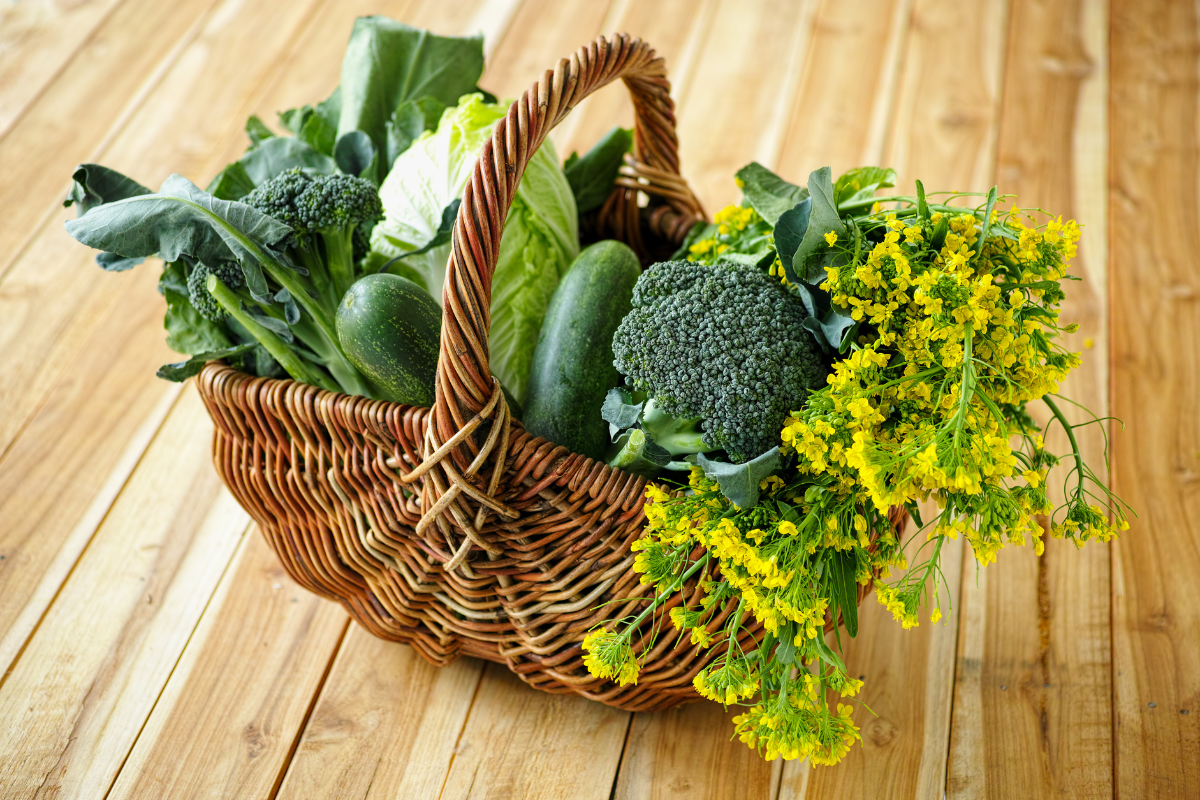
Spinach, kale, Swiss chard, and broccoli are solid sources of plant-based (non-haem) iron. Pair them with something high in vitamin C (a squeeze of lemon, a handful of strawberries, peppers in your stir-fry) to boost absorption significantly. If you eat meat, lean red meat, chicken, and fish provide haem iron, which the body absorbs two to three times more efficiently.
Oily fish for omega-3s
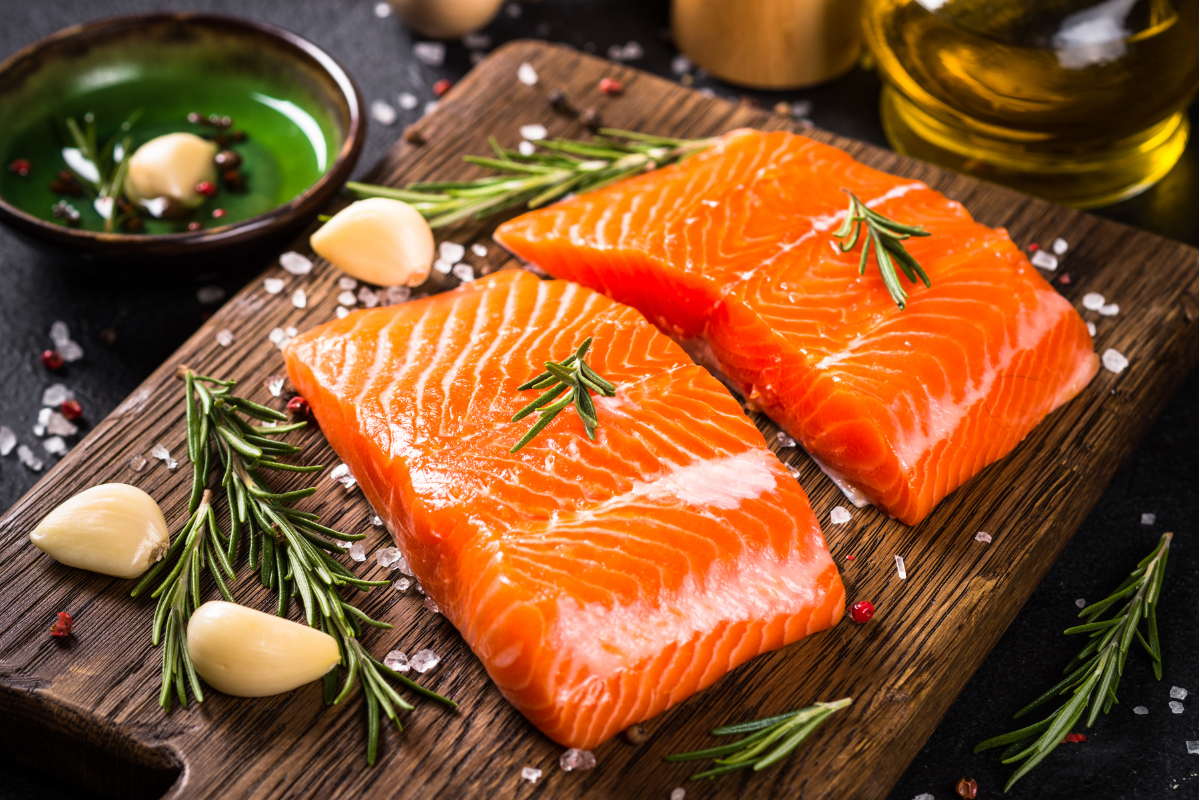
Salmon, mackerel, sardines, and trout are rich in omega-3 fatty acids, which help shift the balance away from inflammatory prostaglandins. Studies suggest omega-3s can meaningfully reduce period pain, sometimes comparable to ibuprofen. Two portions a week is the standard recommendation. If fish isn't your thing, walnuts, chia seeds, and flaxseed are good plant-based alternatives.
Dark chocolate for magnesium (yes, really)
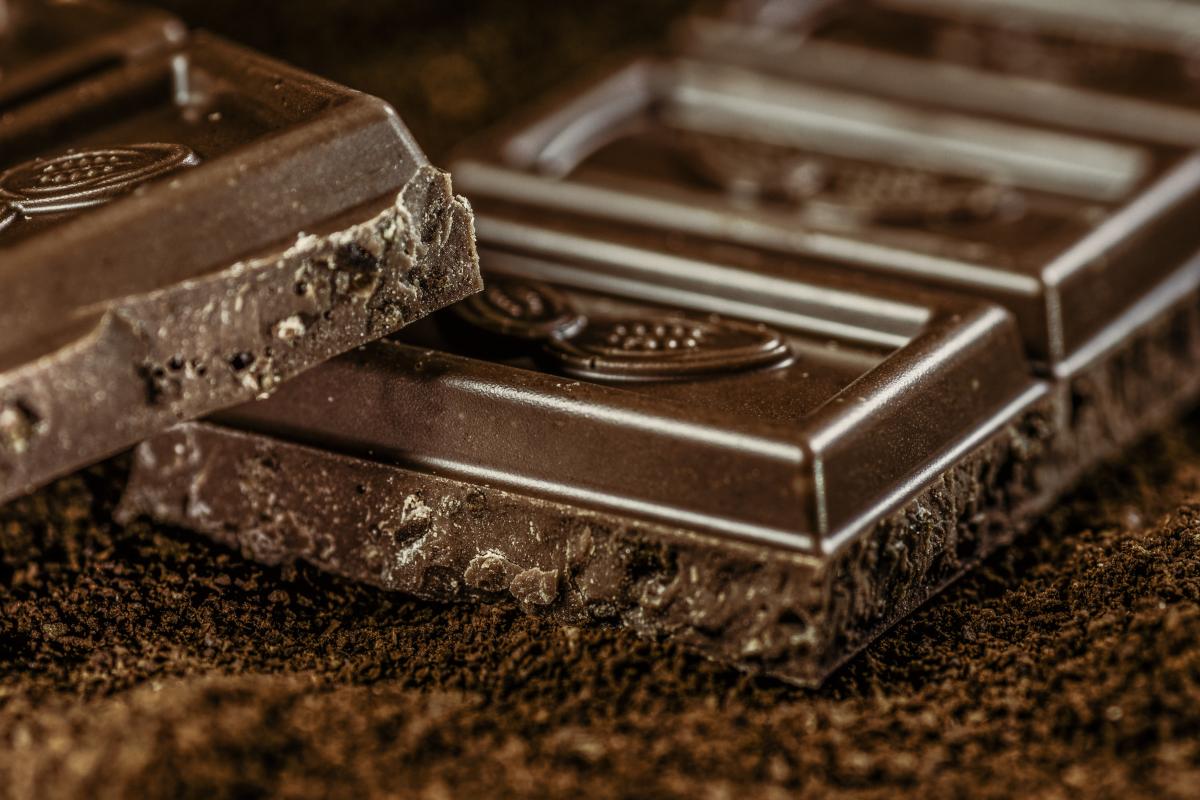
A square or two of dark chocolate (70% cocoa or higher) delivers magnesium, which helps relax muscle and may ease cramping. Other strong magnesium sources include pumpkin seeds, almonds, black beans, and avocado. This is one craving that's worth listening to.
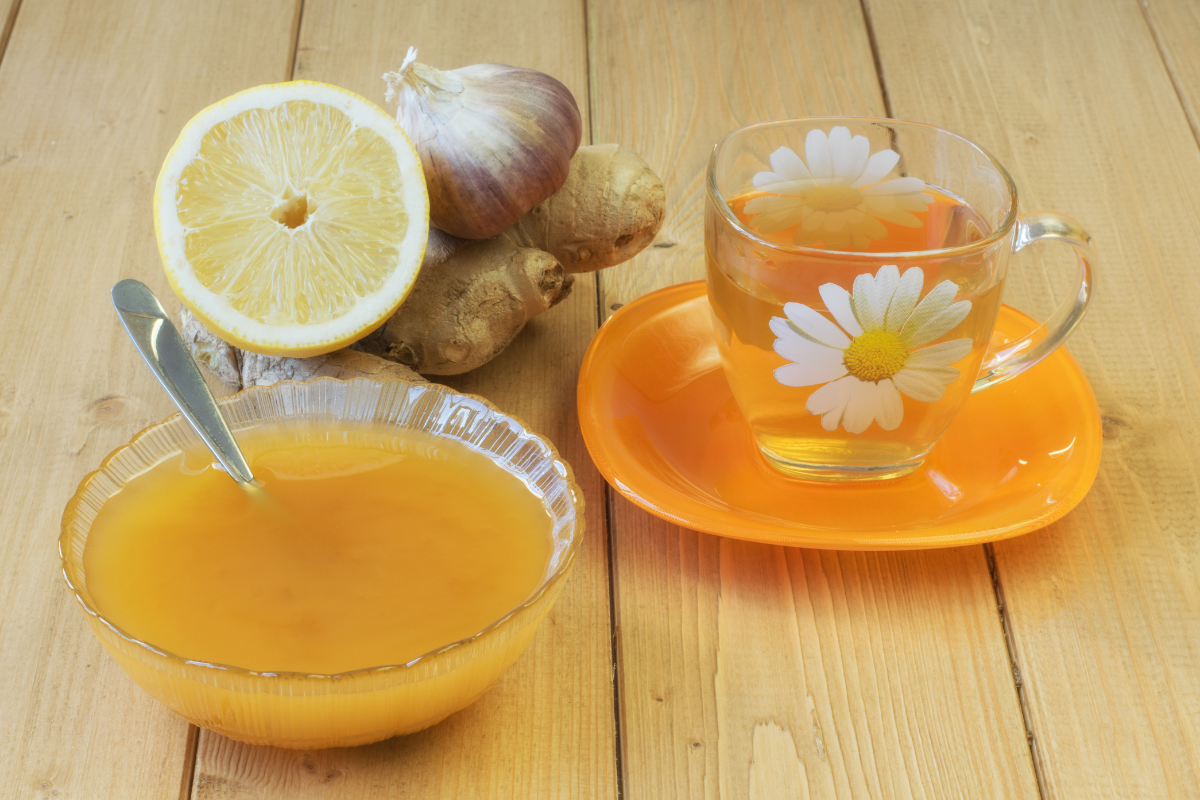
Ginger and chamomile tea
Ginger has genuinely good evidence behind it. A meta-analysis of randomised trials found 750 to 2,000mg of ginger powder a day during the first three to four days of your period reduced pain about as effectively as NSAIDs in some studies. Fresh ginger in hot water with lemon counts. Chamomile has milder evidence but is calming, hydrating, and won't keep you up at night.
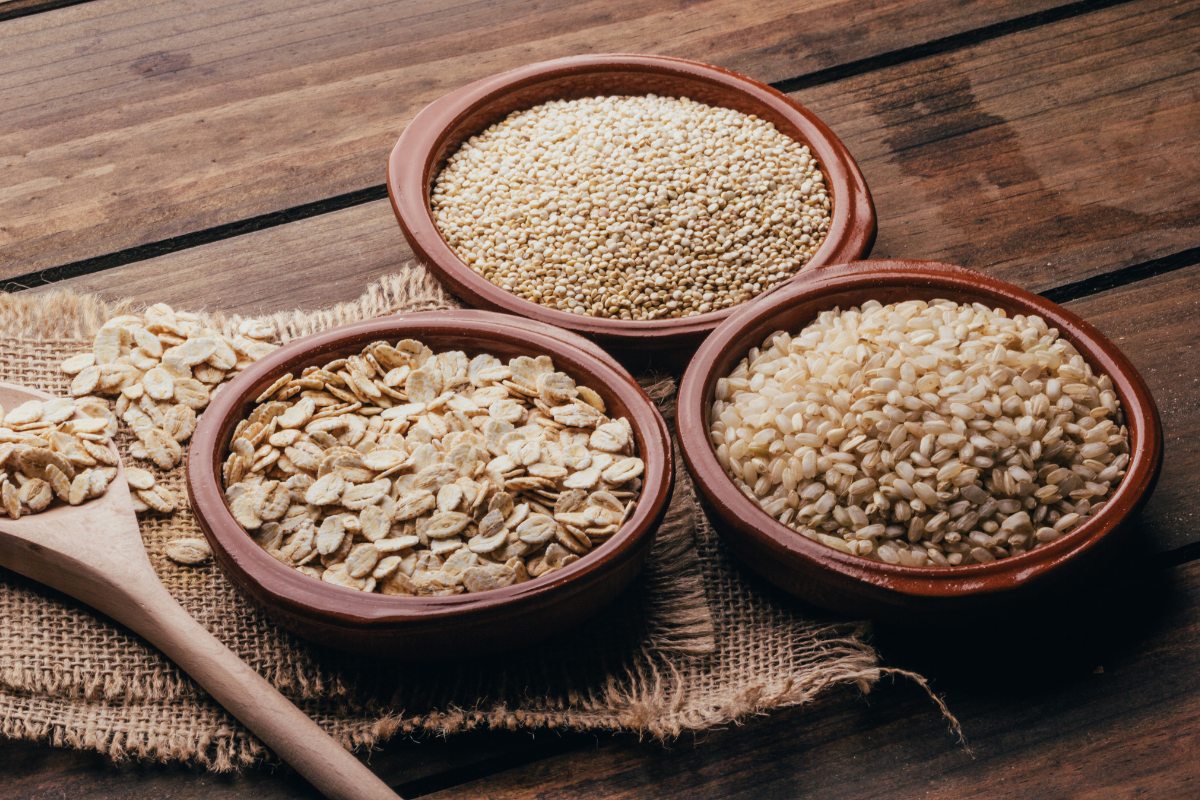
Complex carbs to steady your mood
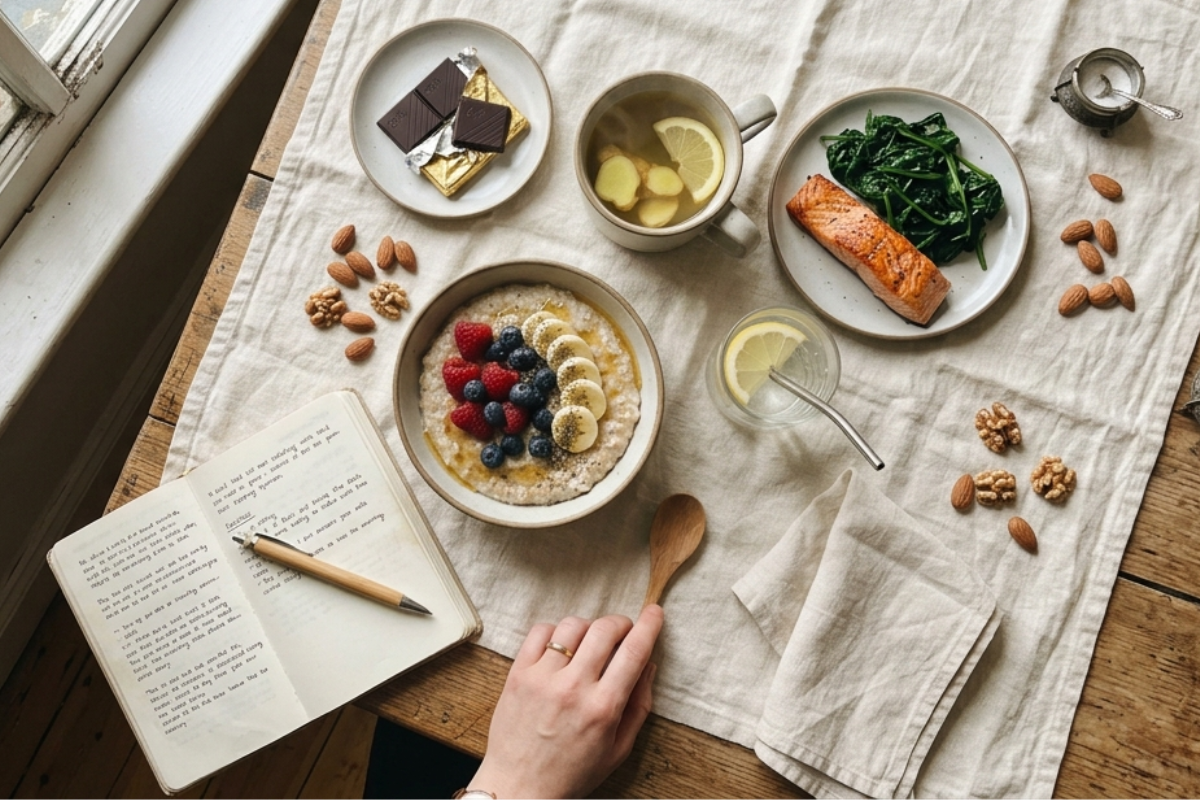
Oats, brown rice, wholegrain bread, and sweet potato release energy slowly, which keeps blood sugar (and mood) more stable. Porridge with berries and a spoon of nut butter is essentially a period breakfast bingo card: complex carbs, vitamin C, magnesium, and omega-3s in one bowl.
What to limit (sorry)
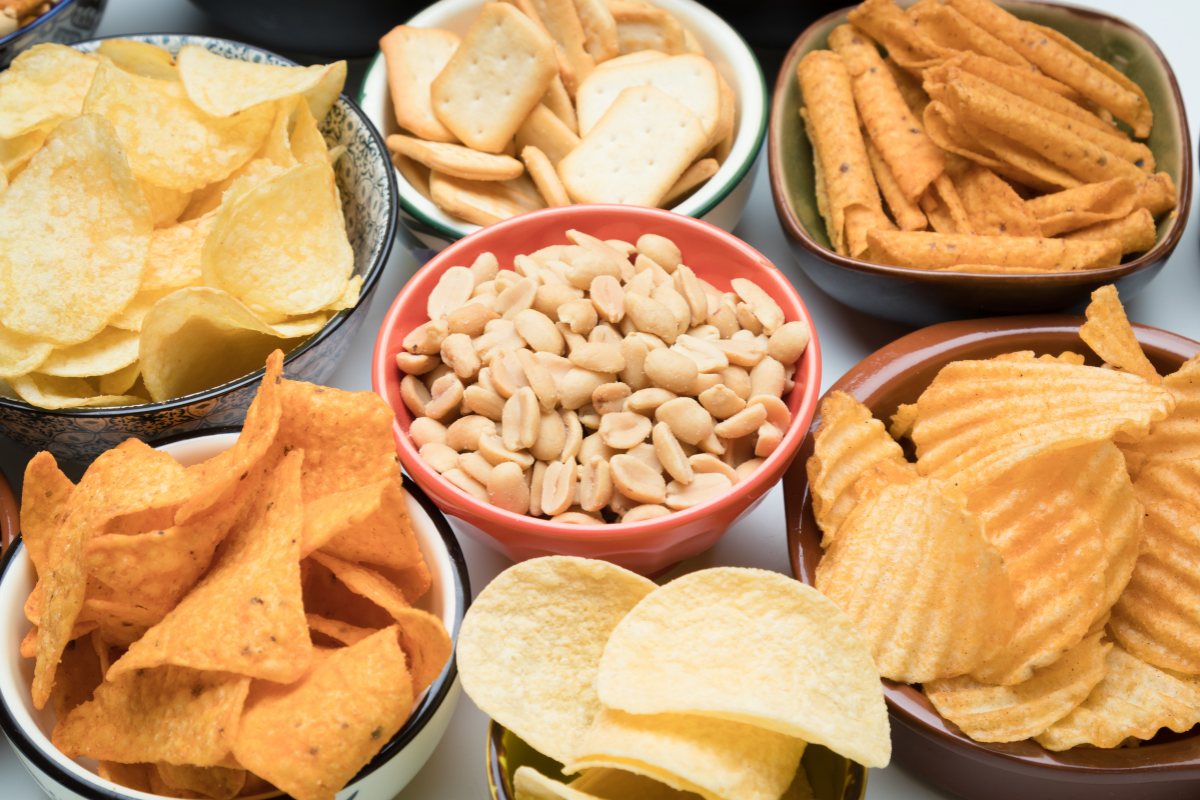
Ultra-processed food
Crisps, biscuits, ready meals, and anything with a long ingredient list tend to be high in refined oils that fuel inflammation and prostaglandin production. You don't need to cut them out entirely, just notice if your worst cramping months tend to follow a heavy week of takeaways.
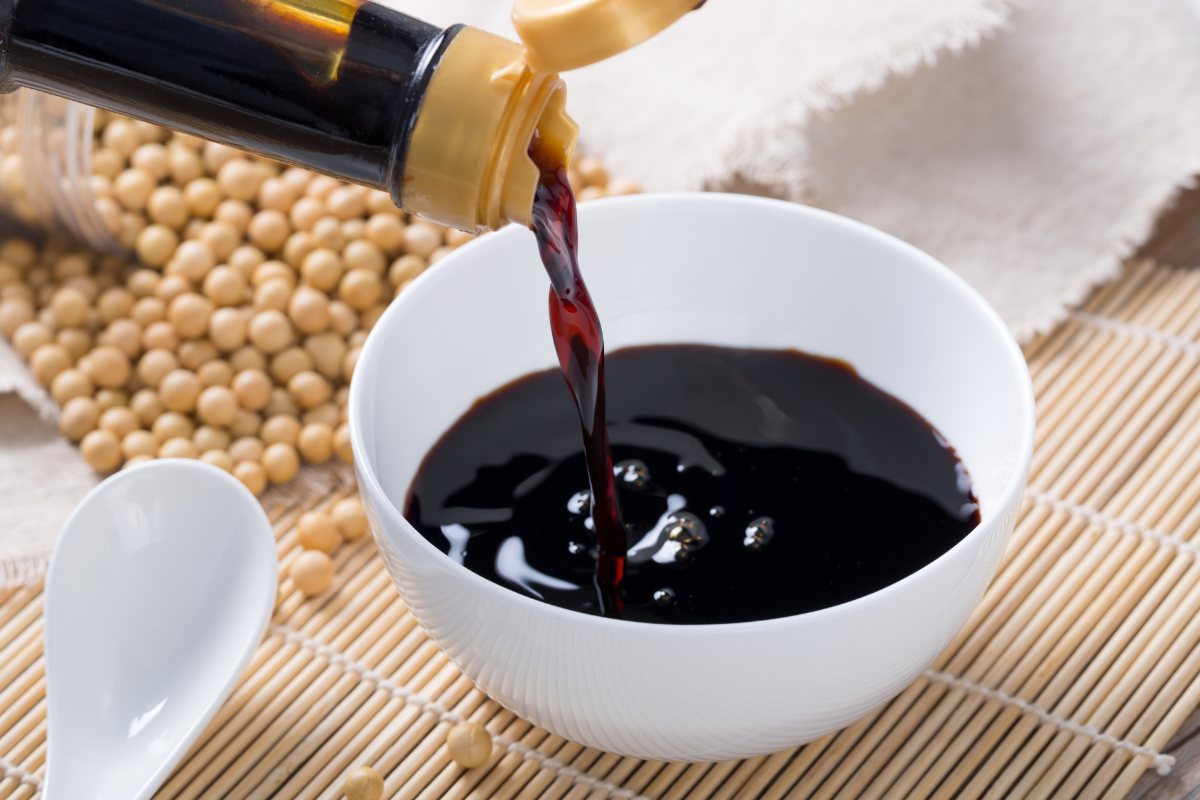
Excess salt
That puffy, swollen, can't-fasten-your-jeans bloating is partly hormonal, but salt makes it noticeably worse by encouraging water retention. Watch out for soy sauce, processed meats, salted snacks, and shop-bought sauces.
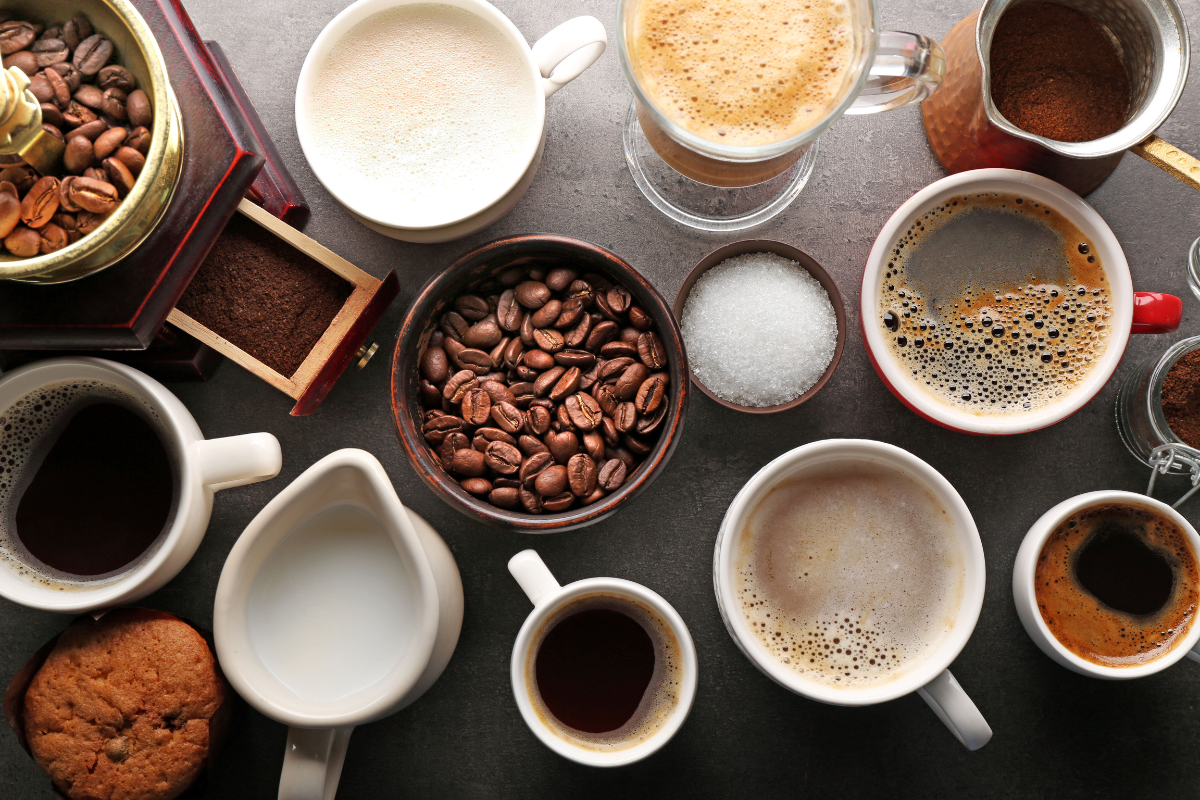
Caffeine
Coffee constricts blood vessels, which can intensify cramps and worsen breast tenderness. Caffeine also blocks iron absorption when you drink it with meals, which is the last thing you need on a heavy bleed day. If you can't face the morning without it, try one cup before 10am rather than three across the day.
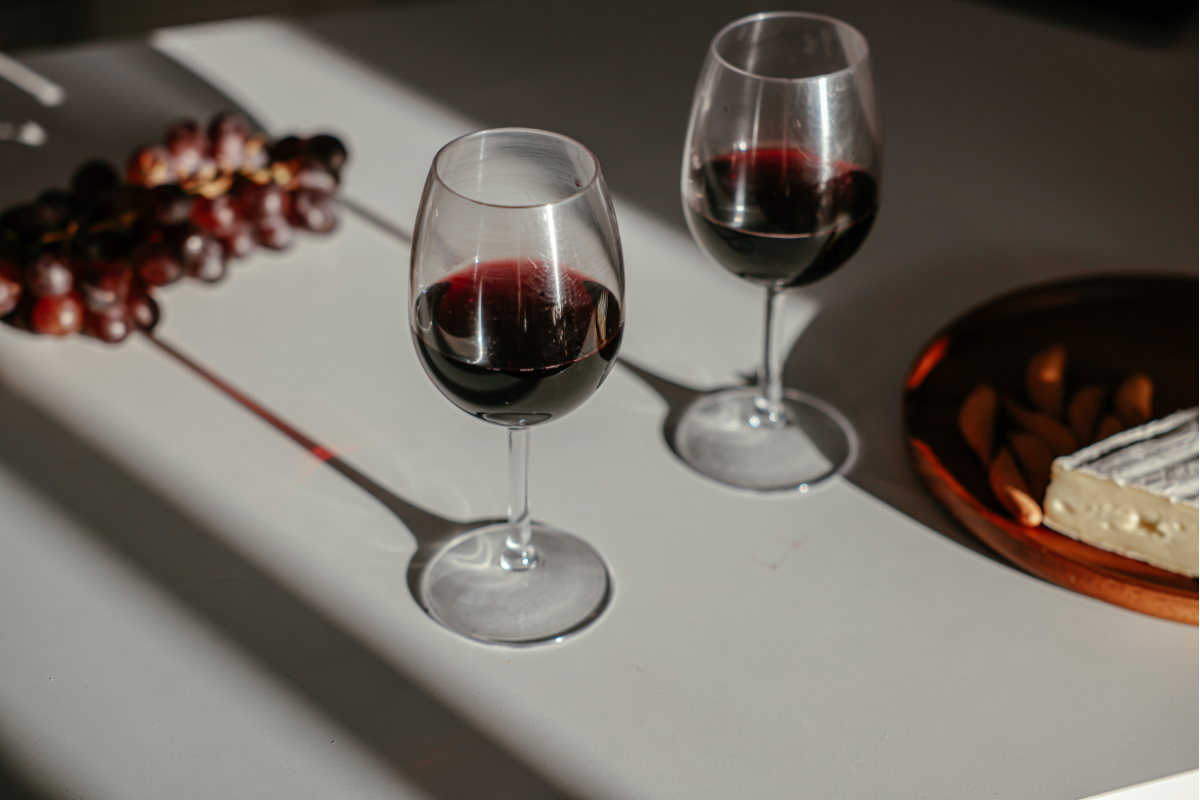
Alcohol
A glass of wine might feel like it helps, but alcohol disrupts sleep, dehydrates you, and worsens mood swings and headaches. It also competes with the liver's job of clearing excess oestrogen. Moderation isn't a moral failing; it's just useful information.
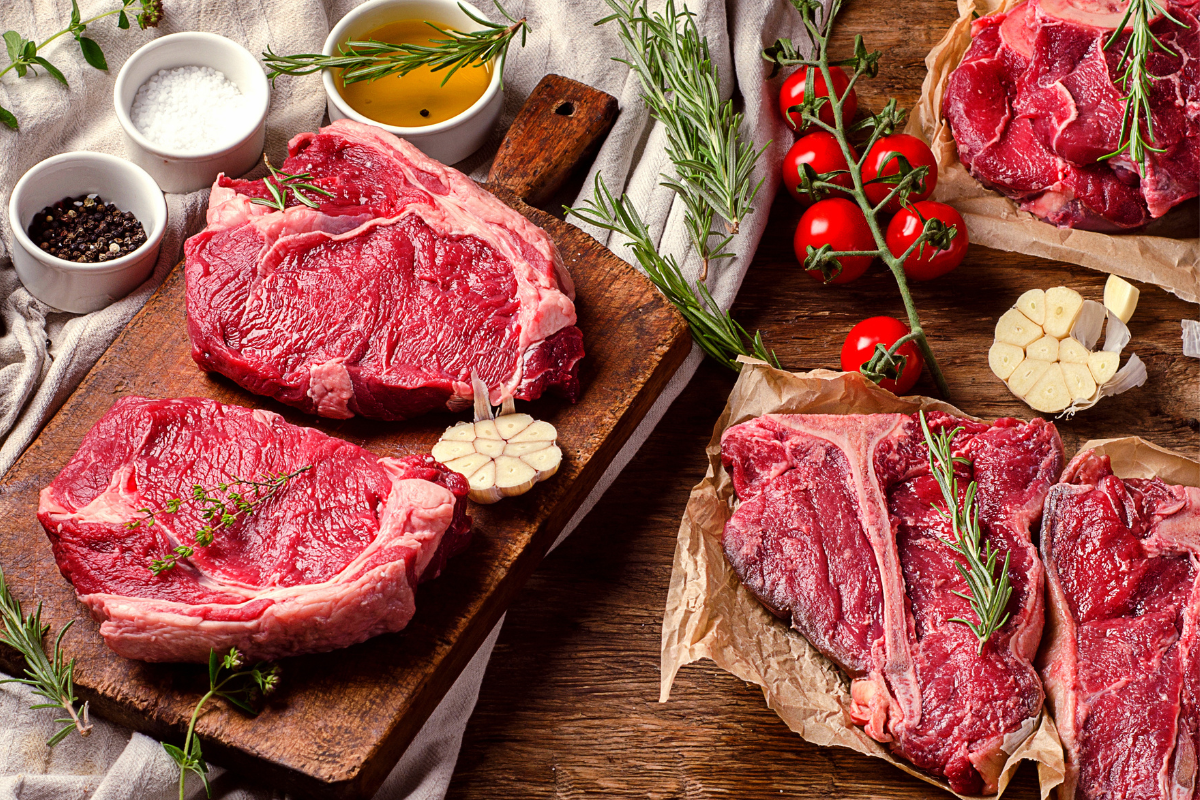
Excess red meat
Red and processed meats contain arachidonic acid, which the body uses to make pro-inflammatory prostaglandins. Lean red meat once or twice a week is fine and useful for iron. Daily bacon sandwiches are a different story.
Don't forget hydration
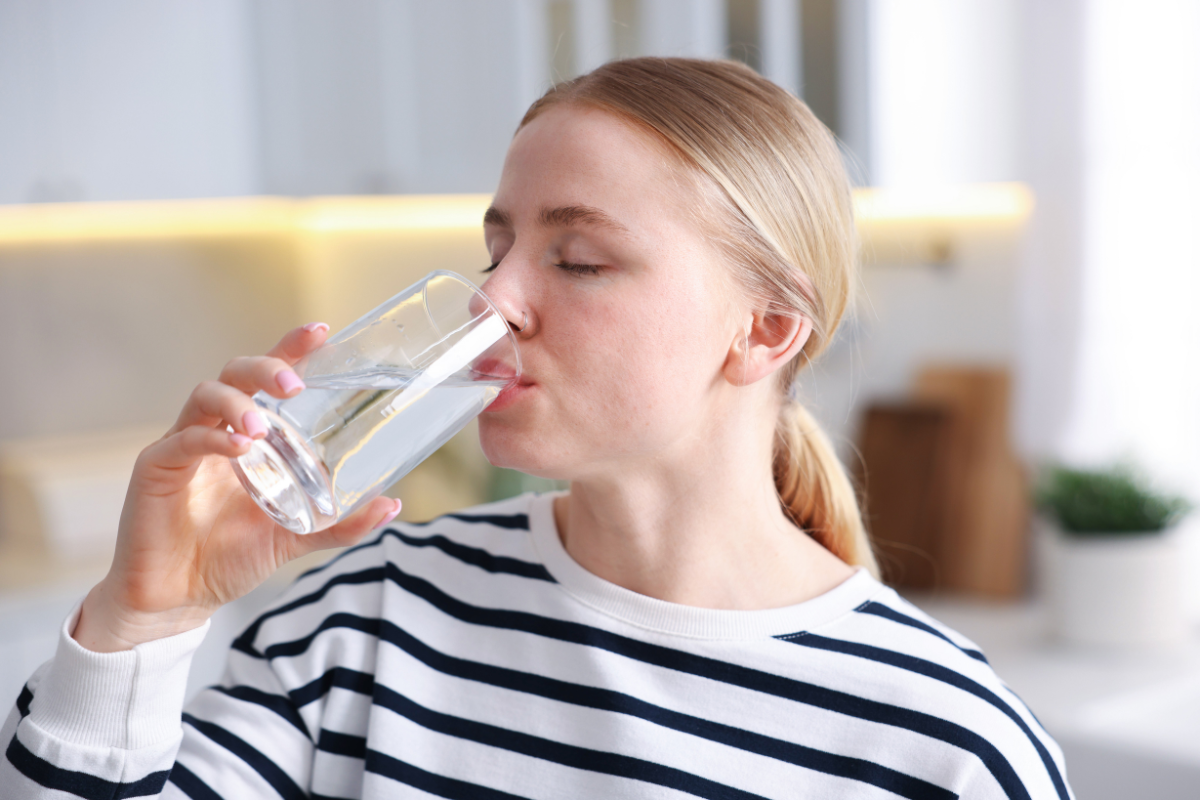
Bleeding, plus higher progesterone in the days before your period, can leave you mildly dehydrated, which itself worsens fatigue, headaches, and cramps.
Aim for around 1.5 to 2 litres of water a day, more if you're active or it's hot. Herbal teas and water-rich foods like cucumber, watermelon, and oranges all count.
Counterintuitively, drinking more water actually helps with bloating, not the other way round.
The bottom line
You won't eat your way out of every period, and you shouldn't have to. But layering in the helpful foods (oily fish, greens, ginger, dark chocolate, oats) while easing off the ones that quietly make things worse (ultra-processed snacks, excess salt, too much caffeine and alcohol) genuinely takes the edge off for most people.
Start in the week before your period rather than waiting until day one, and your future self will notice.
If your cramps are severe enough to stop you working, sleeping, or functioning, food alone isn't the answer. That's worth a conversation with your GP, because conditions like endometriosis and fibroids need proper investigation, not better breakfasts.
Sources
NHS: Periods. https://www.nhs.uk/conditions/periods/
NHS: Iron-deficiency anaemia. https://www.nhs.uk/conditions/iron-deficiency-anaemia/
British Dietetic Association: Iron food fact sheet. https://www.bda.uk.com/resource/iron-rich-foods-iron-deficiency.html
Chen CX et al. Efficacy of Oral Ginger for Dysmenorrhea: A Systematic Review and Meta-Analysis, 2016. https://pmc.ncbi.nlm.nih.gov/articles/PMC4871956/
Rahnama P et al. Effect of Zingiber officinale on pain relief in primary dysmenorrhea, BMC Complementary and Alternative Medicine. https://pmc.ncbi.nlm.nih.gov/articles/PMC3518208/
Centre for Reproductive Health, University of Edinburgh: Menstruation and nutrition. https://reproductive-health.ed.ac.uk/hope/about-menstruation/patient-information/menstruation-and-nutrition
Physicians Committee for Responsible Medicine: Using Foods Against Menstrual Pain. https://www.pcrm.org/good-nutrition/nutrition-information/using-foods-against-menstrual-pain
NewYork-Presbyterian Health Matters: What to Eat During Your Period. https://www.nyp.org/healthmatters/what-to-eat-during-your-period-foods-that-help-reduce-cramps-and-foods-to-avoid
You might be interested in



No Commitment, Unsubscribe Anytime
© 2026 Women's Health Guide. All rights reserved